A new strategy from the Make It Zero initiative positions the DIY sector to cut plastic related emissions by 15% and accelerate circularity.
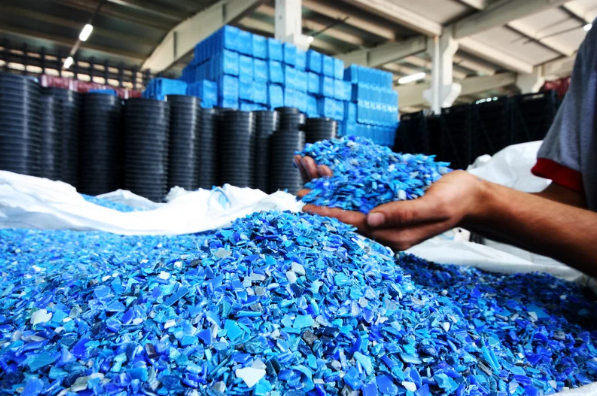
The Make It Zero initiative has today published the Low-Carbon and Circular Materials Strategy for Plastics to formalise the ambition of achieving a minimum of 35% recycled plastic content in the plastics used in DIY, Home Improvement, and Garden (DIY) products by 2035.
Delivered by EDRA/GHIN and facilitated by Ricardo, a member of WSP, the Make It Zero ambition can reduce product manufacturing emissions by 15%, equivalent to approximately 6.3 million tonnes CO2e, across the DIY sector. By adopting a 35% recycled content target, the sector aims not only to reduce product manufacturing emissions but also to accelerate the growth of recycled-material markets and demonstrate the leadership of the DIY sector in materials decarbonisation.
Within the DIY sector, plastics account for approximately 5% of all product manufacturing emissions and are widely used across product ranges. As a result, plastic has become a priority for credible decarbonisation amid rising regulatory, investor and customer pressure.
The strategy outlines key actions required from retailers and suppliers to meet this ambition, including setting clear recycled-content targets, embedding recycling requirements into sourcing, integrating recycled plastics into supplier roadmaps, improving design and manufacturing processes, and expanding the use of recycled feedstocks.
"The transition to a low-carbon and circular economy requires bold ambition, collective action and a willingness to rethink how we design, source and use materials. Through Make It Zero, our industry is demonstrating that collaboration can deliver meaningful impact at scale. By committing to increase recycled plastic content across DIY products, we are not only reducing emissions but also helping to build stronger circular markets and accelerate the transformation of our sector. This strategy reflects our shared belief that sustainable growth and responsible resource management must go hand in hand, creating lasting value for businesses, consumers and future generations." – Erwin Van Osta, President, EDRA/GHIN.
“I am inspired by the Make It Zero Initiative’s commitment, developed in collaboration with our partner Ricardo, to achieve a minimum of 35% recycled content across our sector by 2035. Through transparency and global collaboration, we will ensure that progress is visible to all stakeholders as we work together to achieve these ambitious and meaningful goals.” – John Herbert, General Secretary, EDRA/GHIN.
“The sector fully recognises its responsibility to reduce the environmental impact of the products it manufactures and sells. Through close collaboration across the supply chain, this ambition will help drive down reliance on virgin materials. By taking a leadership role, the DIY sector can accelerate the transition to a circular economy and stimulate stronger markets for recycled content.” – Jamie Pitcairn, Technical Director, Ricardo, a member of WSP.
Transitioning to a circular economy means designing out waste and keeping materials in use at their highest value, optimising resource use and reducing dependency on raw materials. For plastics in the DIY sector, this means reducing virgin extraction, increasing recycled content and enabling recovery at the end of life.
The strategy was formally launched at the Global DIY Summit 2026, the sector’s largest international gathering of retailers, suppliers and industry leaders. Read the full Low-Carbon and Circular Materials Strategy for Plastics 2026 here.
-ENDS-